
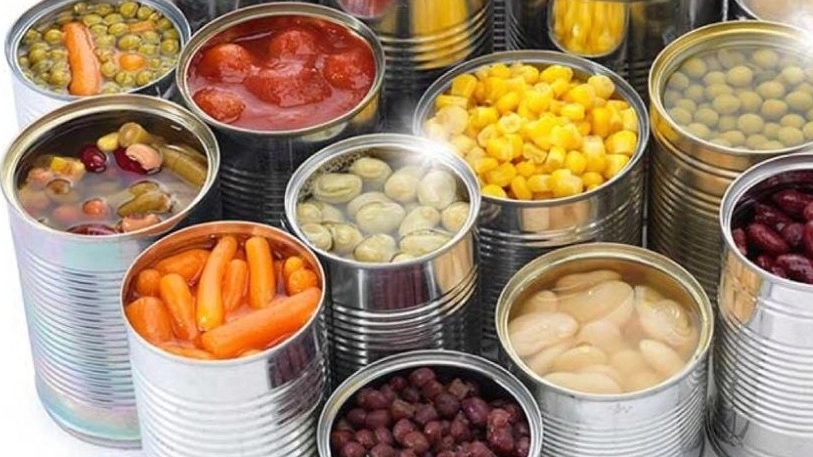
The cans of the cans is one of the most widely used industries and subsidiaries of the packaging industry in the country. You must have encountered products purchased for the kitchen daily, some of which have plastic or metal packaging.
Production of metal cans is one of the things that are manufactured in the cans. According to the definition of cans, the industry is told in which large and small manufacturing companies and companies work to produce and convert metal sheets into cans in different sizes. The main activity of factories in these industries is in the field of food.
Cans use
Canned cans in the cans of the cans are used in industrial and domestic fields and are therefore very important and essential. Products produced in these industries include tomato paste, canned beans and a variety of canned foods, tuna, chemicals, paints and more. In fact, it would not be possible to maintain long -term maintenance without such industries.
Metal cans produced in cans of cans have different thicknesses depending on their final application. Depending on the type of thickness, the degree of cleanliness of the sheets, the final quality and the mold, their final price is determined.
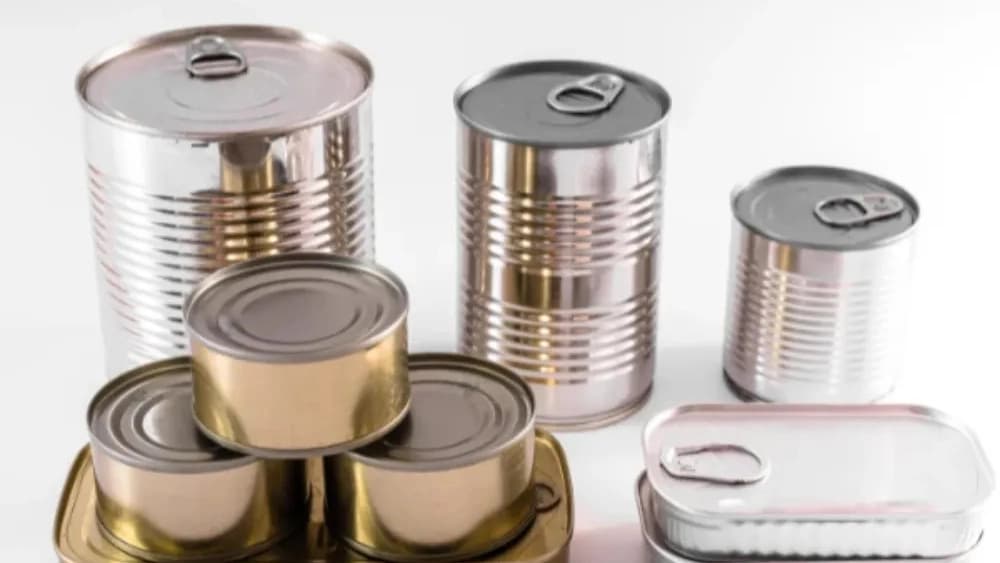
Methods of producing all kinds of metal cans in the cans
3-piece cans (3-pieces can): These cans are produced in several ways:
cans produced by boiling seam:
Body cans. After the construction is under the ERW (Electrical Resistance Welding) process. As a result, cylindrical cans are produced. The welding site of the cans is also covered in and out with special materials and a very thin layer. Then they see heat in the furnace to stabilize.
cans produced with laser welding seam: This method has been used formerly and nowadays Not common. In fact, due to the contamination that the solder alloy makes, this method is obsolete, which is especially poisoned for food packaging. There are, of course, other ways to produce these types of cans that we did not mention because of the lack of common in the country's cans. 2-Pieces Can: These cans are also produced in the cans of the cans in the help of a few methods that we have explained below:
DI (DRAWN & Wall Ironed Can: In this method, long cans are produced with various processes, including ironing the sheet in the form of stretching. The foam and body of these cans are of the same genus.
Two -piece cans: These cans are made with tensile operations . But the stretching required to build them is less than the two -piece cans. The materials or materials are poured into the mold and eventually the cans of 2 pieces are produced. The body of the body and the floor of the can also be the same.
Benefits of metal cans
One of the most important benefits of these cans is that, because they are recyclable, they do not pose a risk to the environment and are much less risk for plastic and people can use them more safely. The recycling has become so developed that the world's aluminum cans recycling industries have become a billion -dollar industry that in turn has been able to take a very important step in environmental health.
are other benefits of cans. The power of difficulty, not being corrupted, not corrupting and its high expiration date is all of which are best preserved and preserved. Inside these cans can be packaged various materials such as food, beverages, colors, toys, stationery, chemicals, etc. The cans have been successful, but in the international level, technological developments have been made in the industry for a very short time, so the metal packaging and metal printing industry in Iran is needed. They will also progress so that they can take great steps at the international level. If this does not happen, we will need to be imported.
You will also increase the variety of products in the industry over time. For example, these cans such as the open door, glass door, etc., which must be used to produce different raw materials that will be very difficult to import if not supplied in Iran. Because these imported materials are one of the specialized goods and the customs duties and duties have a high cost.
Most of these raw materials have little life and cannot be kept for a long time. . More than 5% of the raw materials used in the cans are imported, which causes a large amount of liquidity to be used to produce and deliver products in the industry.